
Chandigarh, November 18, 2026: The Chandigarh administration has notified new rules governing child and adolescent labour, setting out clearer safeguards for children helping in family enterprises, appearing in entertainment productions and participating in other permitted activities. The Child and Adolescent Labour (Prohibition and Regulation) Chandigarh Rules, 2026 were published in the UT Gazette dated November 17, following a notification dated November 16. The measures were reported as taking effect immediately. For families, employers and event organisers, the key message is that children’s education, safety and freedom from exploitation must come first.
What changes for children helping in family businesses?
Under the newly notified framework, the limited allowance for a child to help in a family enterprise does not amount to permission for ordinary child employment. According to the November 18 reporting, such assistance is restricted to three hours a day, excluding rest. It must not take place during school hours or between 7 pm and 8 am, and must not interfere with homework, extracurricular activities or schooling.
Children must not be assigned hazardous work or used in place of adult or adolescent workers. This distinction matters for shops, workshops and small businesses in Chandigarh: family involvement cannot become a way to avoid hiring eligible workers or keep a child away from class.
New safeguards for child artists and productions
Films, television, reality programmes, commercial productions and covered sports or entertainment events involving children face additional safeguards. The reported rules require prior permission from the district magistrate and an undertaking from organisers addressing education, safety and security.
A child artist’s working time is limited to five hours in a day, with a break before more than three continuous hours. The reported maximum is 27 consecutive working days. Organisers must provide one responsible supervisor for every five participating children. Participation must not be forced against a child’s wishes.
The rules also address earnings: at least 20% of the child’s production or event income is to be placed in a fixed deposit in the child’s name with a nationalised bank, accessible on reaching adulthood. Parents and production teams should consult the notified rules and district authorities before planning a shoot, rather than relying only on these headline limits.
How will Chandigarh enforce the rules?
The framework provides for a district-level task force chaired by the district magistrate to coordinate rescue, rehabilitation and enforcement. Its membership is reported to include police, labour, education and child-protection authorities, the District Legal Services Authority and voluntary organisations. Monthly task-force meetings and quarterly labour-inspection reports are envisaged.
For adolescents who may legally work in permitted occupations, employers must maintain prescribed records, including working hours, rest periods and wages. The reporting states that these records must be retained for three years after the final entry. Authorities may seek age documentation when they suspect prohibited employment.
Why the rules matter to Chandigarh families and businesses
Chandigarh has schools, retail markets, small workshops, media production teams and event venues where questions about permissible participation can arise. The distinction between a child’s limited family assistance and prohibited employment is especially important for shopkeepers, parents and school administrators. A child’s school attendance and well-being remain central considerations.
The administration had previously sought public feedback on draft child-labour rules in September 2025. The newly listed 2026 notification represents the next formal step. The Gazette listing identifies the Labour and Employment Branch of the Home Department and notification number 190193-HII(2)-2026/10191-10193.
Where to check the official notification
Readers can consult the Chandigarh UT eGazette, looking for Gazette 133/GAZETTE/2026-17/11/2026, and the Chandigarh Administration website. The detailed requirements are described in The Times of India’s November 18 report. The administration’s earlier child-labour awareness campaign also provides background on local enforcement efforts.
For related local policy coverage, see Speedy Clicks’ report on Chandigarh’s 2026 fire-safety rules and the recent public-safety orders.
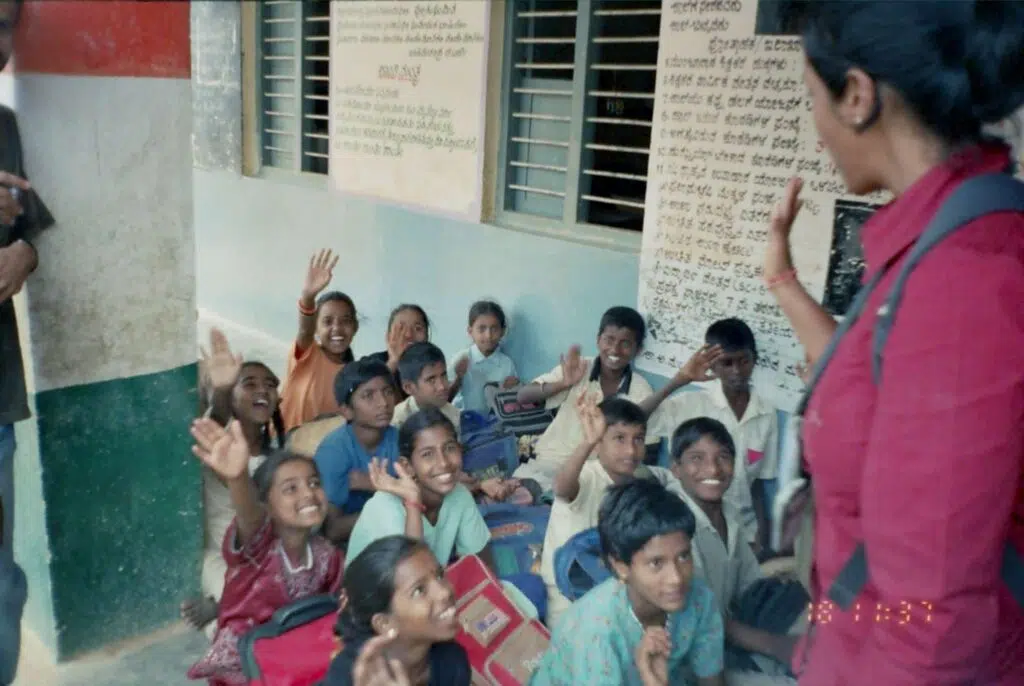
Image: Illustrative archival classroom photograph from Bangalore, 2005, not the Chandigarh notification. Ambuj Saxena / Hidro via Wikimedia Commons, public domain.
