
Chandigarh is considering a significant change to how minor regulatory breaches are handled. The UT Administration has finalised a draft Chandigarh Jan Vishwas (Amendment of Provisions) Bill, 2026, which would replace criminal proceedings for certain minor violations with administrative penalties and repeal more than 50 outdated laws, according to a report published by The Tribune on November 13, 2026.
Importantly, these are proposed changes, not rules already in force. The report says the draft has been forwarded to the Centre and is under examination by the Ministry of Home Affairs.
What the Chandigarh Jan Vishwas Bill proposes
The draft aims to handle specified low-level regulatory contraventions through monetary penalties rather than prosecution, court proceedings and imprisonment. The reported areas include shop licensing, noise-control provisions, municipal building notices, property defacement, limited canal-use regulations and certain registration provisions for medical and nursing practitioners.
The proposal would also replace terminology associated with criminal convictions with language about civil contraventions and financial liability. The precise scope will depend on the text ultimately approved and enacted.
Proposed fines and an appeal process
According to the report, the draft would revise penalties in several laws. One example cited is a proposed fine between ₹10,000 and ₹1 lakh for specified violations under the Punjab Land Preservation Act instead of a one-month jail term. For certain property-defacement violations, the report describes a proposed minimum penalty of ₹50,000 in place of imprisonment of up to one year.
The draft reportedly provides for a 10% increase in scheduled minimum and maximum penalties every three years. It would also empower designated administrative officers to hear specified matters and impose penalties, with an appeal route generally available within 30 days. These figures and procedures should be treated as draft provisions until an official enacted text is available.
Why repealing outdated laws matters
The Administration also proposes removing more than 50 older enactments considered obsolete or superseded. The Tribune identifies examples dating to the late nineteenth and early twentieth centuries, including laws relating to district boards, river boundaries and compulsory village night-watch duties.
Removing outdated provisions could simplify the rulebook for residents, traders and officials. However, it does not mean that all conduct covered by older laws would become unregulated: other current laws may continue to apply.
What residents and businesses should do now
Shop owners, property holders and other affected residents should continue complying with existing rules. The draft has not been reported as enacted, and the Administration has not yet published a final implementation timetable in the sources reviewed for this article.
The next development to watch is the Centre’s review and any official publication of the Bill or notification specifying its commencement. For official updates, consult the Chandigarh Administration and the Ministry of Home Affairs.
Local policy context
The proposal comes amid several changes to Chandigarh’s regulatory and property administration. Speedy Clicks recently reported on the new framework proposed for Lal Dora property records. The two developments concern different legal issues and should not be confused.
Source: The Tribune, November 13, 2026. The underlying draft Bill was not independently obtained; specific provisions are attributed to the newspaper’s reporting.
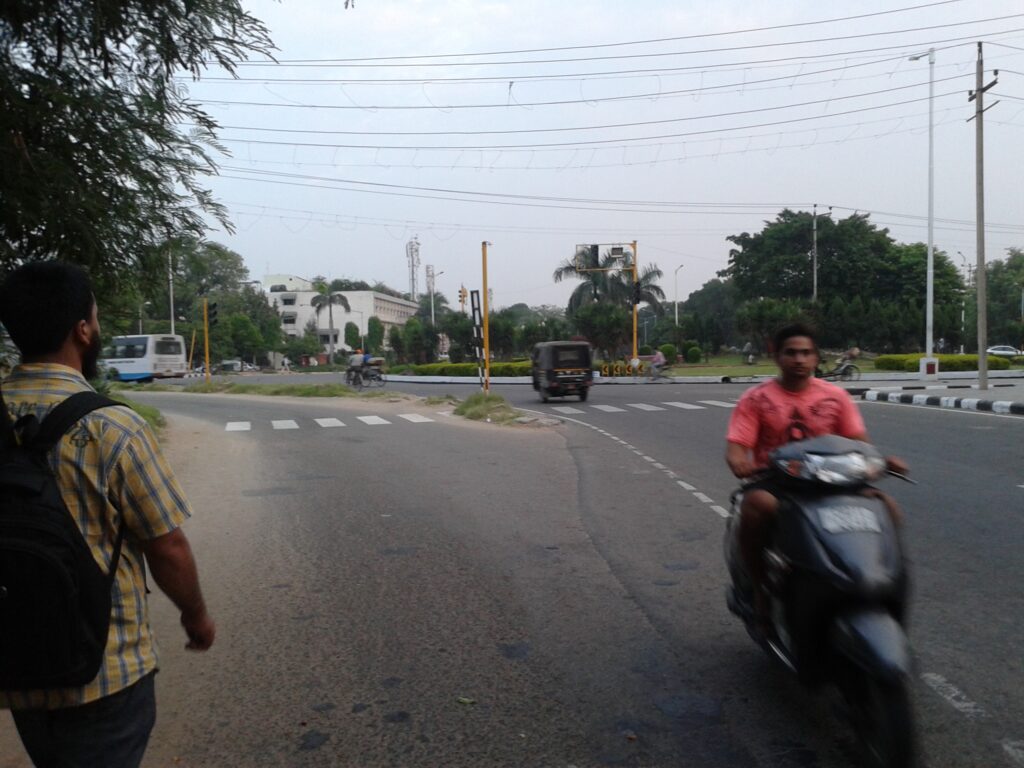
Featured image: archival view of Sector 17, Chandigarh, used for illustration only. It does not depict a legislative proceeding or government meeting. Existing Speedy Clicks media-library image; original Wikimedia Commons attribution and licence retained in the media record.