
Chandigarh, November 1, 2026: The Punjab Cabinet has approved three sets of state-level rules under India’s labour-code framework, a development relevant to employers and workers across Mohali, Zirakpur, Kharar and Dera Bassi. The decision was taken at a Cabinet meeting chaired by Chief Minister Bhagwant Singh Mann on Saturday, October 31.
The three approved sets cover wages, occupational safety and working conditions, and social security. The decision is a step towards implementing the labour-code framework at state level, but Cabinet approval should not be confused with final gazette notification or immediate commencement of every provision. Businesses should check the applicable published rules and effective dates before changing payroll, workplace or statutory compliance practices.
Which three Punjab labour rules received Cabinet approval?
According to reports citing the Chief Minister’s Office and an official spokesperson, the Cabinet cleared:
- Code on Wages (Punjab) Rules, 2026, framed under the Code on Wages, 2019.
- Punjab Occupational Safety, Health and Working Conditions Rules, 2026, framed under the Occupational Safety, Health and Working Conditions Code, 2020.
- Punjab Social Security Rules, 2026, framed under the Code on Social Security, 2020.
The announcement identifies the three rule sets but does not, on its own, establish the text of the final notified rules, an implementation timetable for every provision, or a change to any particular employer’s contribution rate. Those details must be checked against official notifications.
Why the decision matters to Mohali and nearby business centres
Mohali’s economy includes technology services, manufacturing, construction, retail, hospitality, healthcare and small enterprises. Employers in Zirakpur, Kharar and Dera Bassi also operate across a wide range of workforce arrangements, from permanent employees to contractual and outsourced staff.
State-level rules can influence how covered employers document wages, maintain workplace records, administer safety procedures and address social-security obligations. The practical effect depends on each establishment’s sector, size, workforce structure and the legally applicable provisions.
For small and medium businesses, clarity about the final state rules can make it easier to plan internal processes and seek informed compliance advice. For workers, the policy areas concerned include pay administration, occupational conditions and social protection. None of these potential benefits should be treated as an automatic or already-realised outcome of the Cabinet decision.
Wage administration and employee records
The Code on Wages (Punjab) Rules relate to the state-level implementation of the national Code on Wages. Employers should monitor the final text for requirements that apply to their operations, including any relevant recordkeeping, payment procedures and administrative processes.
It would be premature to announce a new Punjab minimum wage figure, a revised salary formula or a new deadline solely on the basis of the October 31 Cabinet briefing. No such specific change was established by the sources reviewed for this report.
Workplace safety and working conditions
The approved Punjab Occupational Safety, Health and Working Conditions Rules concern the framework for health, safety and working conditions in establishments covered by the relevant code. The scope of obligations can differ across factories, construction activities and other covered workplaces.
Tricity employers should review existing safety practices and identify which state rules will apply when the final notified version is available. The Cabinet’s decision is not proof that any particular factory, office or construction site is now compliant.
Social security: What businesses and workers should watch
The Punjab Social Security Rules, 2026 form the third approved set. Social-security administration involves different categories of workers and multiple statutory arrangements. Employers should avoid assuming that the Cabinet decision immediately changes provident-fund, insurance, gratuity or other contribution calculations.
Before acting, payroll and HR teams should verify the official Punjab notification alongside the central provisions and any scheme-specific rules that apply to their establishments. This is especially important for businesses operating in more than one state or Union Territory.
Important distinction: Punjab, Chandigarh and Panchkula have different jurisdictions
The Cabinet decision concerns Punjab. Mohali, Zirakpur, Kharar and Dera Bassi fall within Punjab, while Chandigarh is a Union Territory and Panchkula is in Haryana. Businesses with branches across the Tricity must not assume the Punjab rules automatically govern all their locations. Applicable jurisdiction and the appropriate government under each code need to be checked separately.
What happens after Cabinet approval?
The next key step is publication and verification of the final rule text and commencement provisions through the appropriate official channels. Until then, businesses should continue following the laws and rules actually in force for their establishments and seek professional guidance before changing compliance procedures.
For Tricity employers, the immediate takeaway is to prepare for possible administrative updates, not to assume a specific new obligation has already taken effect. For workers, the announcement signals policy movement in three major labour areas, with practical details still requiring official confirmation.
Sources and verification
This report is based on the October 31 Cabinet announcement as covered by The Tribune (October 31, 2026) and The Times of India (November 1, 2026). The reported Cabinet statement is attributed to the Punjab Chief Minister’s Office; the original signed Cabinet resolution and final gazette notifications were not independently obtained for this article.
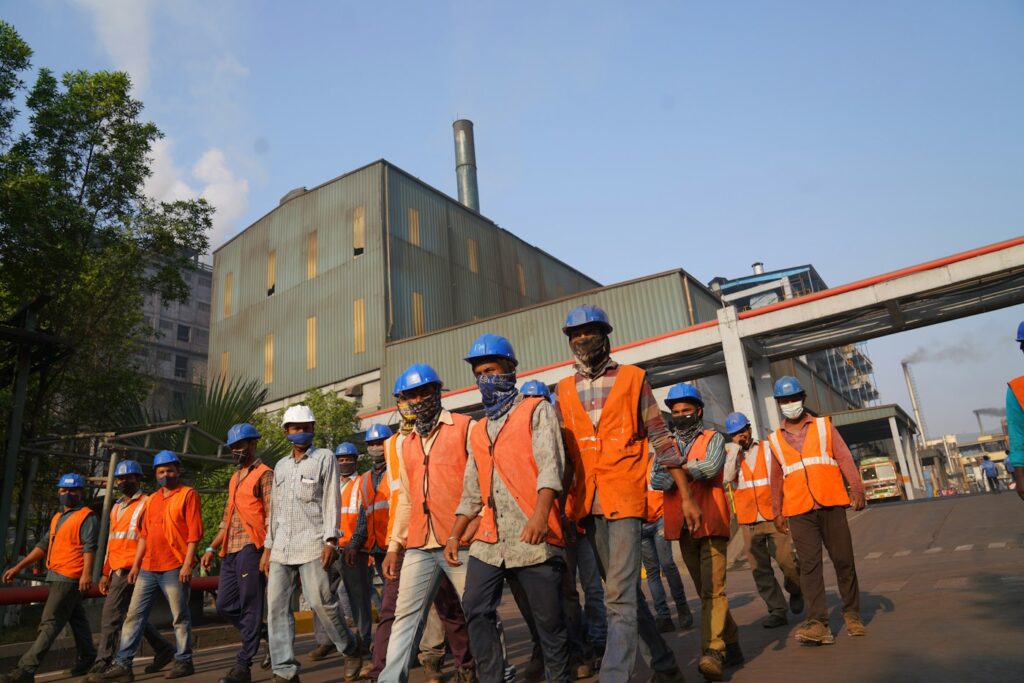
Featured image: illustrative workplace-safety photograph by Bhupathi Srinu via Unsplash. It does not depict the Cabinet meeting or a particular Tricity employer.